Fill Your Unit With a Section 8 Tenant: The Philly Landlord’s Guide
Filling a unit with a Section 8 tenant takes seven steps, in order. You can do every one of them yourself with this guide, or hand all seven to me and I’ll list, market and lease it for you.
Nine of my ten rentals are Section 8. My first was a duplex in East Oak Lane I bought at 26. The tenant’s rent covered $800 of my $1,200 mortgage. I’ve made every mistake in this guide so you don’t have to.
Most landlords lose money on Section 8 in one place: the empty months. The unit sits while the license, the lead test or the inspection catches up. Or a listing with phone photos sits on Facebook. This guide puts every step in order, and at each step I’ll show you what I do for my own rentals and for the landlords I list for.
Step 1: Know what the voucher pays in your zip code
The Philadelphia Housing Authority pays by zip code, not by house. Find your zip code below, then read across to your bedroom count.
| Group | Zip codes | 1-bed | 2-bed | 3-bed |
|---|---|---|---|---|
| 1 · Basic | 19124, 19126, 19132, 19133, 19141 | $1,299 | $1,552 | $1,851 |
| 2 · Traditional | 19134, 19139, 19140, 19151 | $1,437 | $1,713 | $2,046 |
| 3 · Mid Range | 19101, 19105, 19109, 19110, 19111, 19112, 19114, 19115, 19116, 19119, 19120, 19121, 19122, 19135, 19136, 19137, 19138, 19142, 19143, 19144, 19145, 19150, 19152, 19153 | $1,529 | $1,828 | $2,173 |
| 4 · Opportunity | 19104, 19128, 19129, 19131, 19148, 19149, 19154 | $1,848 | $2,208 | $2,628 |
| 5 · High Opportunity | 19102, 19103, 19106, 19107, 19118, 19123, 19125, 19127, 19130, 19146, 19147 | $2,280 | $2,724 | $3,240 |
Monthly payment standards, effective November 1, 2026. Source: Philadelphia Housing Authority payment standard schedule.
This is a ceiling, not a promise. Two things bring the number down:
- Similar homes nearby. The Housing Authority checks that your rent matches similar units in the area. Price above them and you’ll be asked to lower it.
- Utilities. If the tenant pays any utilities, an allowance for them comes out of that number. Your rent is what’s left.
So price your rent to the neighborhood first, under the zip code number. That’s how you get approved the first time.
Step 2: Get your paperwork done before you list
No license, no rent. In Philadelphia, a missing rental license or Certificate of Rental Suitability can stop you from collecting rent or filing for eviction. Do these first:
- Rental license for every unit, from the Department of Licenses and Inspections. (City requirements)
- Proof the units are legal. Two or more units? The city wants proof the building is zoned and approved for that many before it licenses them.
- Lead-safe or lead-free certificate if the building was built before 1978. Since October 2020 this applies no matter how old the tenant’s children are. A lead-safe certificate lasts 4 years.
- Certificate of Rental Suitability, issued no more than 60 days before the lease starts. Give the tenant a copy.
- The city’s Partners for Good Housing brochure. Give the tenant a copy.
- Housing Authority landlord briefing. First time renting to a voucher holder? The Philadelphia Housing Authority requires a free owner briefing before you can list with them, get an inspection or sign a contract. (Owner briefing details) Set up your owner portal while you’re at it.
Check your property in 2 minutes. Go to atlas.phila.gov, the city’s free property lookup, and type in your address. Look at two sections:
- Licenses and inspections: is your rental license active, and are there any open violations? Open violations can hold up a license. While you’re there, check that past renovations had permits. Unpermitted work can surface at inspection.
- Zoning: is the building approved for the number of units you’re renting?
I pull this up on every unit before I list it. It tells you what to fix before the city or the Housing Authority finds it.
Rules change. Confirm the current requirements with the city and the Housing Authority before you lease.
Step 3: Get the unit ready to pass inspection the first time
Every failed inspection is another empty month. The Housing Authority inspects the unit before any money moves, so walk it yourself first with this list:
- Smoke and carbon monoxide detectors on every level, all working
- Heat and hot water working
- Every window opens, closes and locks, with no broken glass
- Outlet and switch covers on, no exposed wires
- Handrails on stairs, secure
- No peeling or chipping paint, inside or out
- Doors lock, stove and refrigerator work, no leaks under sinks
- Clean, empty and ready to show
My rule: fix it before you list it. An empty month costs you more than the repair.
Step 4: List where voucher holders are already looking
A family with a new voucher is on a clock. They have a set number of days to find a unit. Put your listing in front of them:
- The monthly housing fair. Show up and bring flyers with photos, rent and bedroom count.
- Shelters and organizations that house families who were just issued vouchers. Call them and ask how to share your listing.
- Affordable housing listing sites. The Housing Authority’s own landlord training points owners to AffordableHousing.com.
- Facebook Marketplace. Post it, and answer messages the same day.
Don’t skip the city’s free listing site. The Office of Homeless Services runs a Landlord Engagement Program that lists your unit for free on Padmission, a platform that connects landlords with renters the program serves, including families coming out of homelessness. The program also offers pre-screening, a pre-inspection and steady rent payments. To join, your property has to pass the office’s inspection before a lease is signed, and your property taxes have to be current. Questions: landlords@phila.gov or (215) 686-7182.
What every listing needs:
- “Vouchers welcome” in the first line
- Bedroom count and zip code
- Monthly rent, and which utilities the tenant pays
- The date it’s ready to move in
- Real photos of every room
- Your screening rules, or a note that they’re available on request (see Step 5)
When I list your unit, it goes out like a home for sale, not a Facebook post:
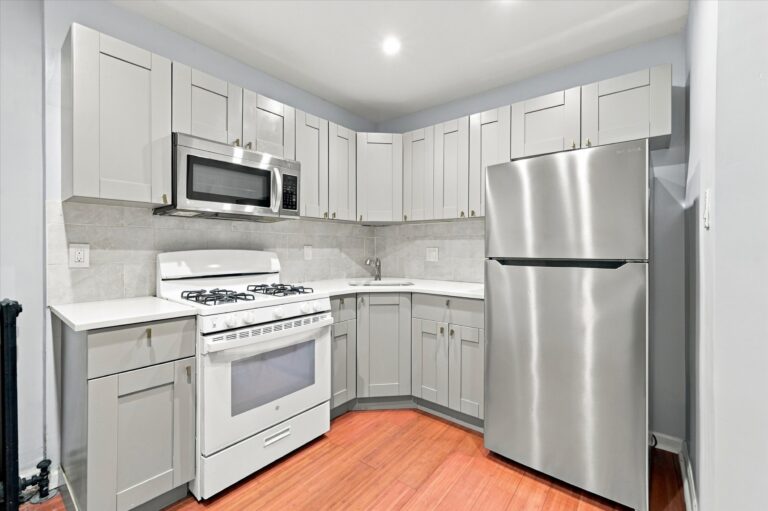
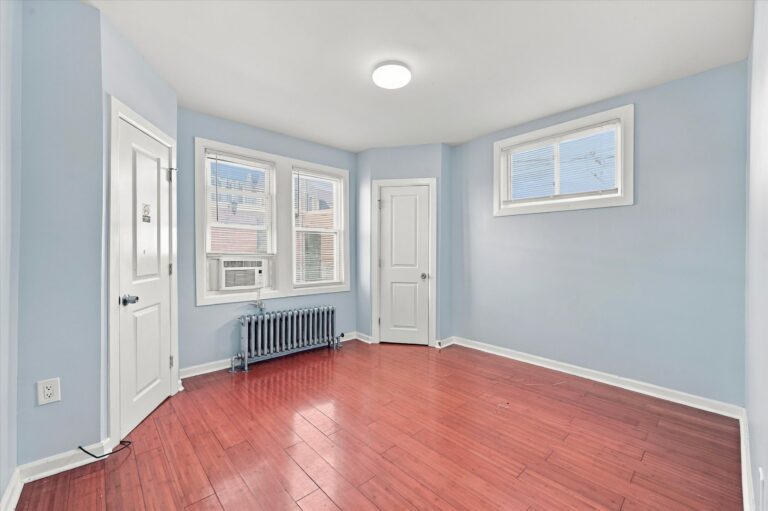
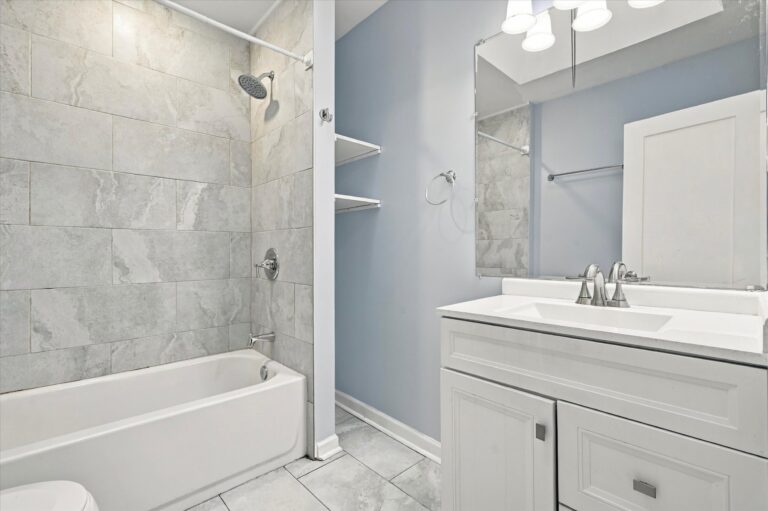
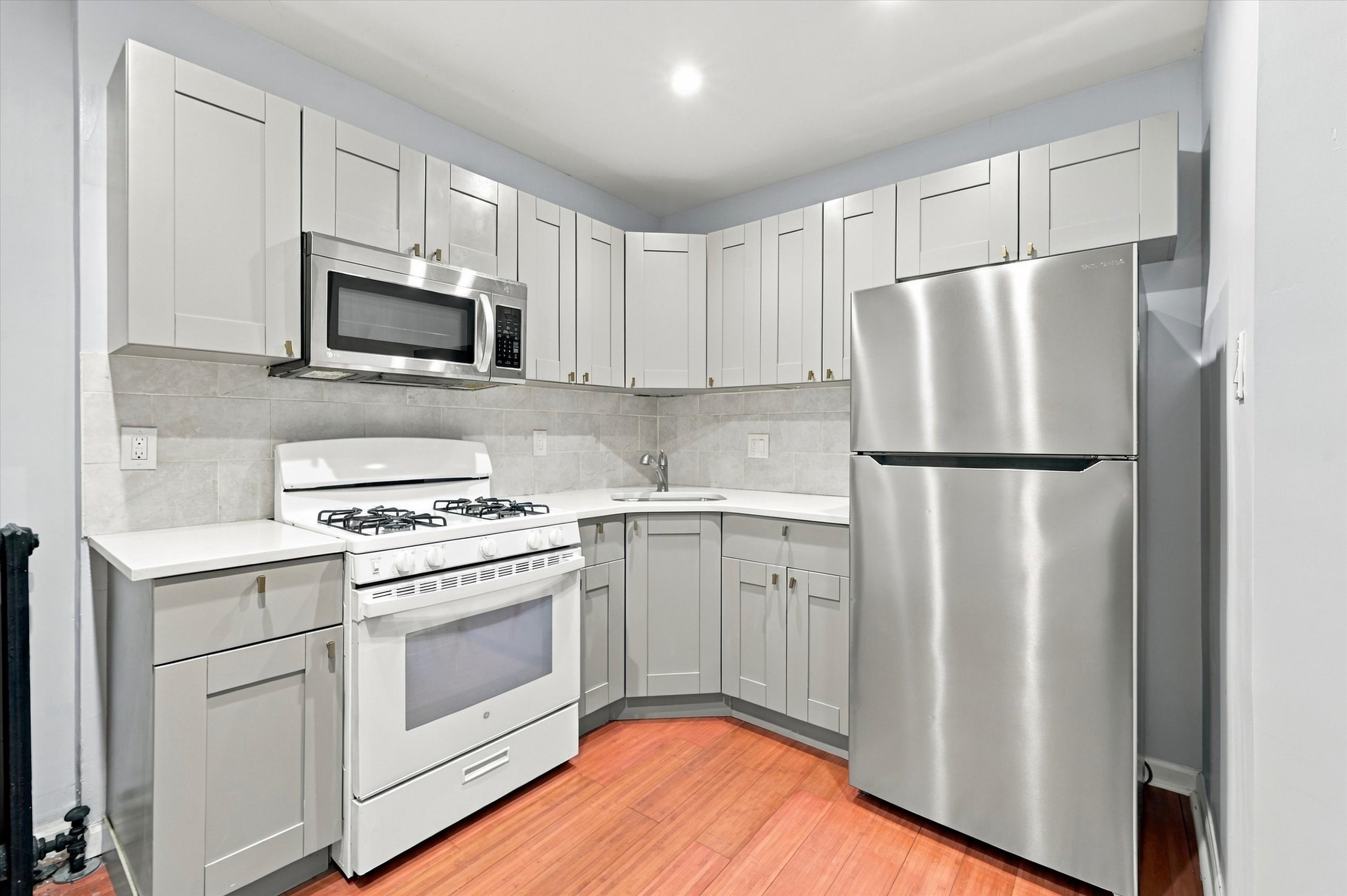
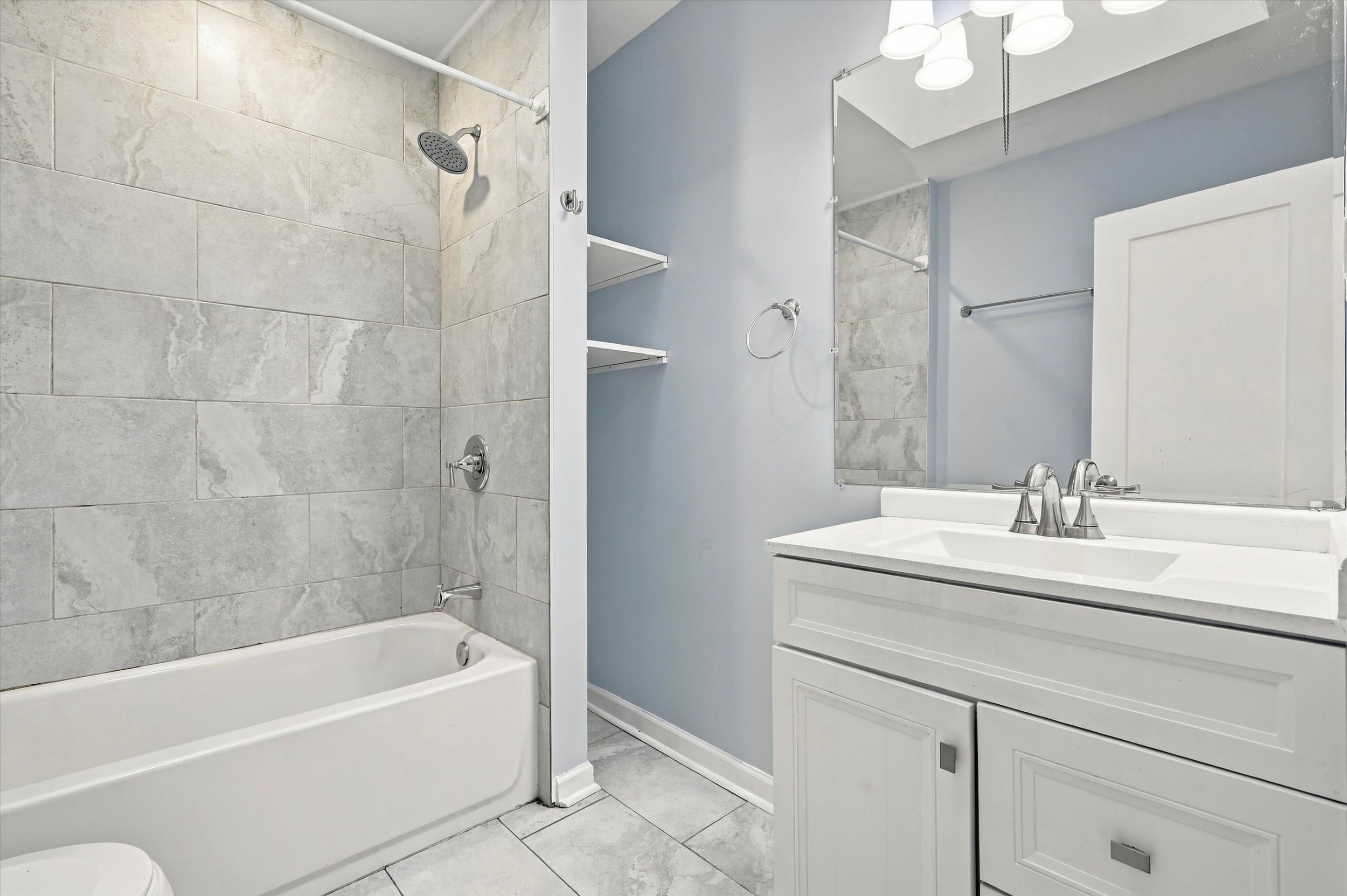
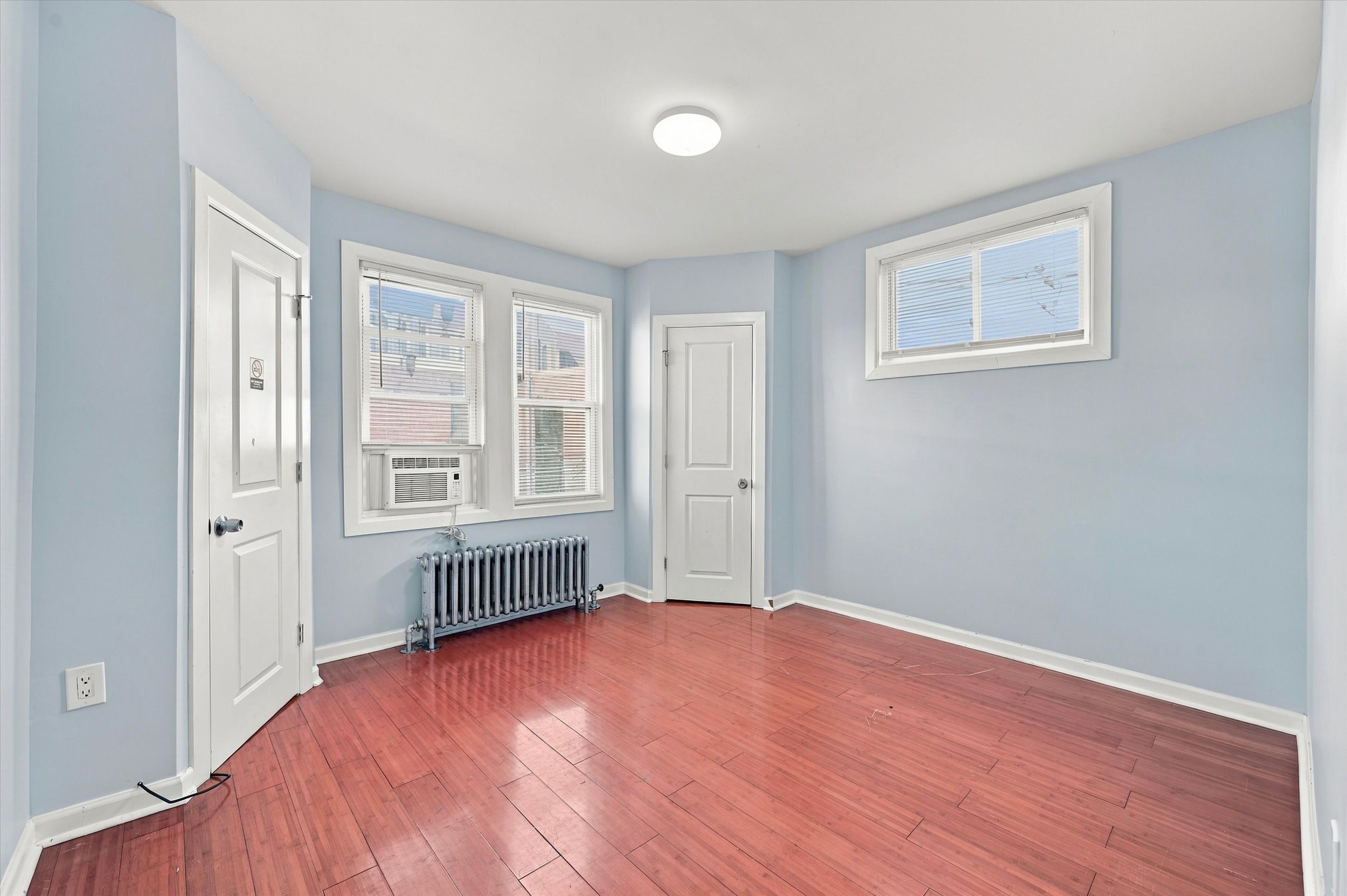
- Professional photos. Bright, wide, every room. Good photos get more calls and fewer wasted showings.
- Virtual staging. Empty rooms are hard to picture, so I stage them digitally and a family can see where the beds and couch go. Every staged photo is clearly labeled “virtually staged,” so what they see online is what they walk into.
- The Multiple Listing Service, sent out everywhere. As a licensed Realtor, I put your unit on the Multiple Listing Service, the database agents use. From there it goes out to the major home search sites, including Homes.com, so every agent helping a voucher holder can find it too.
- The housing fair and my organizations. I share your listing with the organizations I work with that house voucher holders.
One listing, everywhere voucher holders and their agents look.
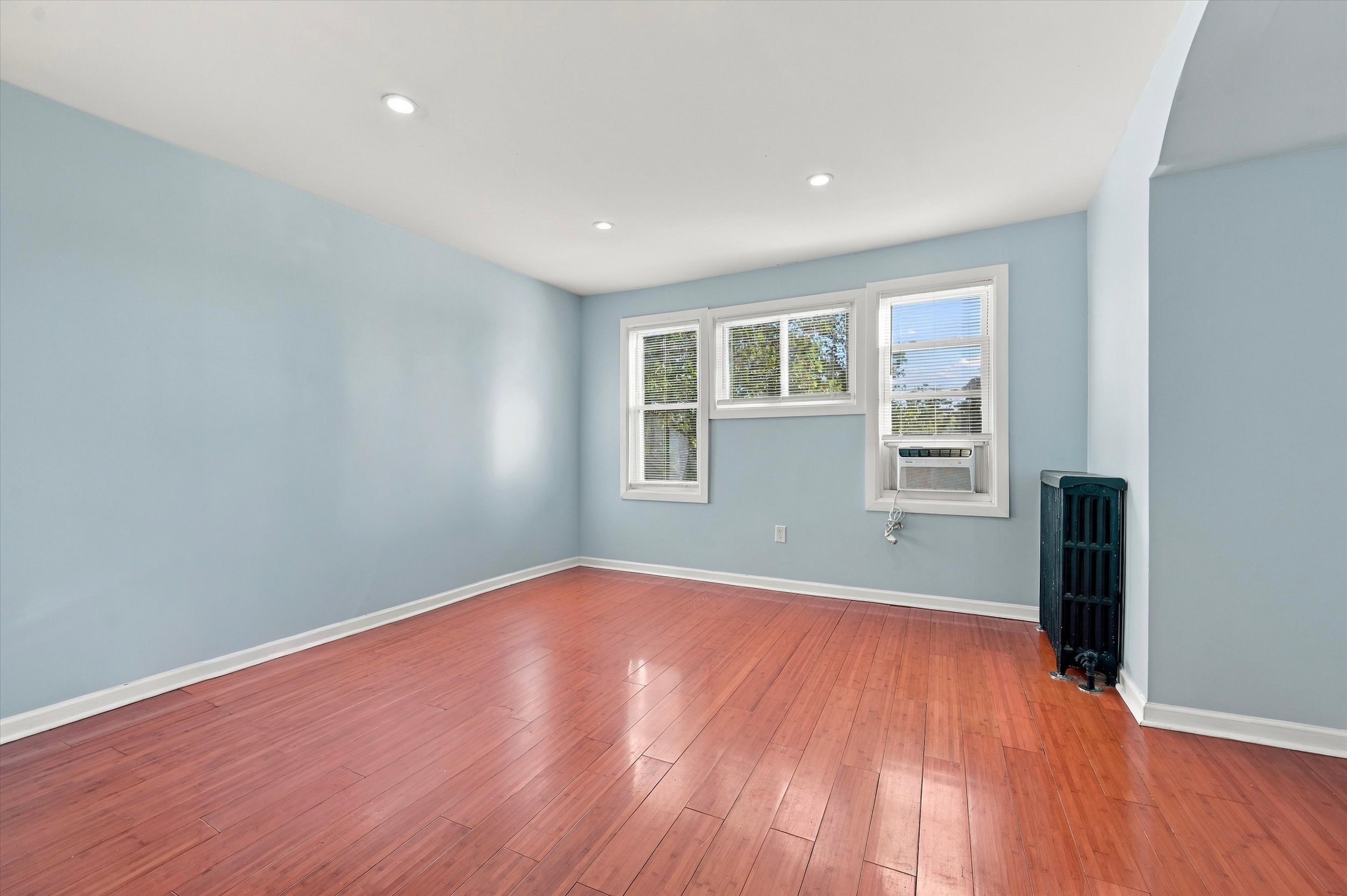
Proof: how one of my listings performed
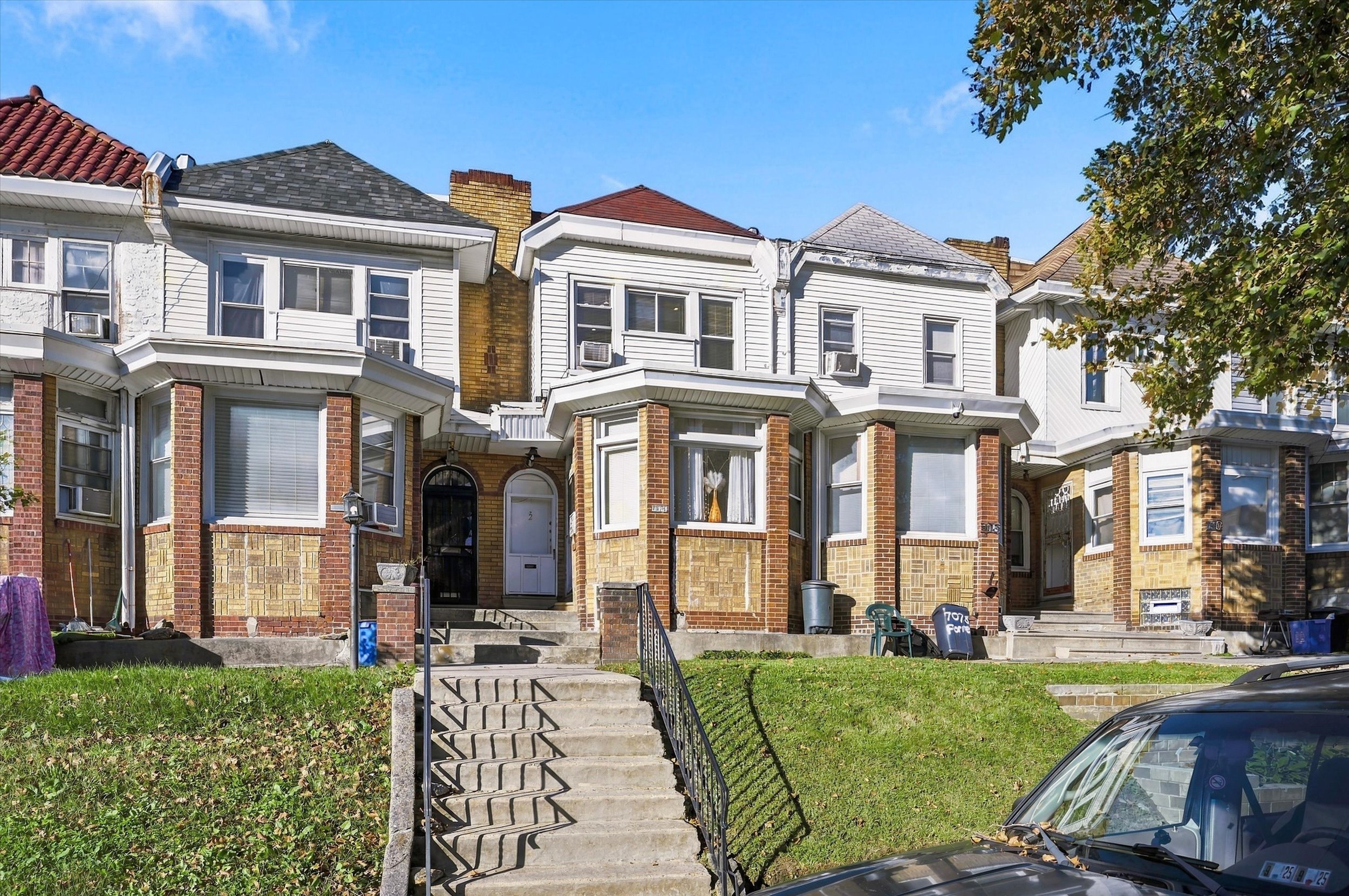
Here’s the marketing on my recent listing at 7076 Forrest Ave, a legal duplex in West Oak Lane (19138) with a tenant already in the first-floor unit. Professional photos, virtual staging, a 3D tour, and the Multiple Listing Service sent out to Homes.com and beyond.
What Homes.com reported for that listing:
| Result | Number |
|---|---|
| Total views | 35,226 |
| Times at the top of search results | 2,154 |
| Views from display ads | 3,371 |
| 3D tour views | 27 (3 hours 7 minutes watched) |
| Floor plan views | 52 |
| Days on market before going under contract | 13 |
That’s the same playbook I use when I list your rental. One listing, everywhere buyers, renters and their agents look.
Step 5: Screen every applicant the same way
Write your screening rules down before the first showing, and use the exact same rules for every person who applies. That protects you, and it’s the law.
- Put it in writing. Your application fee, what you check, and what passes. Hand the same sheet to everyone.
- Same order, same questions. Process applications in the order they come in.
- Never turn someone away for having a voucher. Philadelphia law protects where a person’s rent money comes from, so “no Section 8” isn’t allowed.
- Keep notes on every applicant and why they did or didn’t move forward.
Not sure a rule is allowed? Check with the Philadelphia Fair Housing Commission or a real estate attorney before you use it.
Step 6: After you pick your tenant
Once you say yes, the Housing Authority runs the rest in this order (the Housing Authority’s steps for landlords):
- Fill out the Request for Tenancy Approval. Your tenant gets this form with the voucher. You fill in the unit details and your rent, and it goes to the Housing Authority.
- Inspection. The Housing Authority schedules it within about 15 days of getting the form. Be there, or have someone there.
- Rent check. After the unit passes, they confirm your rent matches similar homes nearby. They may offer a lower number. You decide whether to accept.
- Sign two documents. You and your tenant sign the lease. You and the Housing Authority sign the housing assistance payment contract, which says what they pay and what you’re responsible for.
- Get paid. The Housing Authority deposits its share straight into your bank account every month. Your tenant pays their share to you.
Good to know (landlord brochure):
- The first lease with a voucher holder is usually two years.
- You collect the security deposit only after the unit and rent are approved.
- Expect a re-inspection every year. Keep up with repairs so the payments don’t stop.
Step 7: Know what your unit actually pays you
A filled unit isn’t the goal. A unit that pays you at least $500 a month after every bill is the goal.
Here’s one of mine, a single-family in North Philly:
| Monthly | |
|---|---|
| Section 8 rent | $1,900 |
| Mortgage, taxes and insurance | −$978 |
| Water | −$17 |
| Set aside for empty months (10%) | −$190 |
| Set aside for repairs (10%) | −$190 |
| What I keep | $525 |
If your number comes in under $500 a door, one broken furnace and you’re paying the house.
Run your own unit through this math. If it comes in under $500 a door, the fix is usually the rent you’re asking, the empty months, or the repairs that keep coming back. Those are exactly what I look at in a free listing assessment. Still shopping for your first rental? Run your numbers in my free First Door Calculator before you make an offer.
Or hand all seven steps to me
You can do this alone. Or you can work with a Realtor who owns nine Section 8 rentals herself and knows every step.
| Step | On your own | When I list it for you |
|---|---|---|
| 1. Price it | Guess from the zip code chart | I pull the zip code number and nearby rents, so the rent gets approved the first time |
| 2. Paperwork | Chase the license, lead certificate and suitability certificate alone | I give you the checklist and track every item before the unit goes live |
| 3. Inspection | Find out what fails on inspection day | I walk the unit first and tell you what to fix before the inspector does |
| 4. Marketing | Phone photos on Facebook | Professional photos, virtual staging, the Multiple Listing Service sent out to the major home search sites, plus my organizations |
| 5. Screening | Make the rules up as you go | Written rules, the same for every applicant, handled in order |
| 6. Housing Authority | Figure out the forms and the inspection alone | I walk you through the tenancy approval form and stay on it through inspection, the rent check and contract signing |
| 7. Your number | Hope it pays | I run the $500-a-door math before your unit ever hits the market |
Get a free listing assessment. Text photos of your unit, your zip code and bedroom count to (267) 707-6487. I’ll send back what the voucher pays, where I’d price it, what I’d fix before inspection, and exactly how I’d market it. It’s yours whether we work together or not.
— Jaz
Results shown are individual client experiences and are not a promise of future results. Rental income, property values and loan terms vary. This guide is general information, not legal advice. Housing Authority and city rules change, so confirm current requirements before you lease. Jasmine Williams, Licensed Pennsylvania Realtor, Realty ONE Group Focus. BuySmart.Philly.