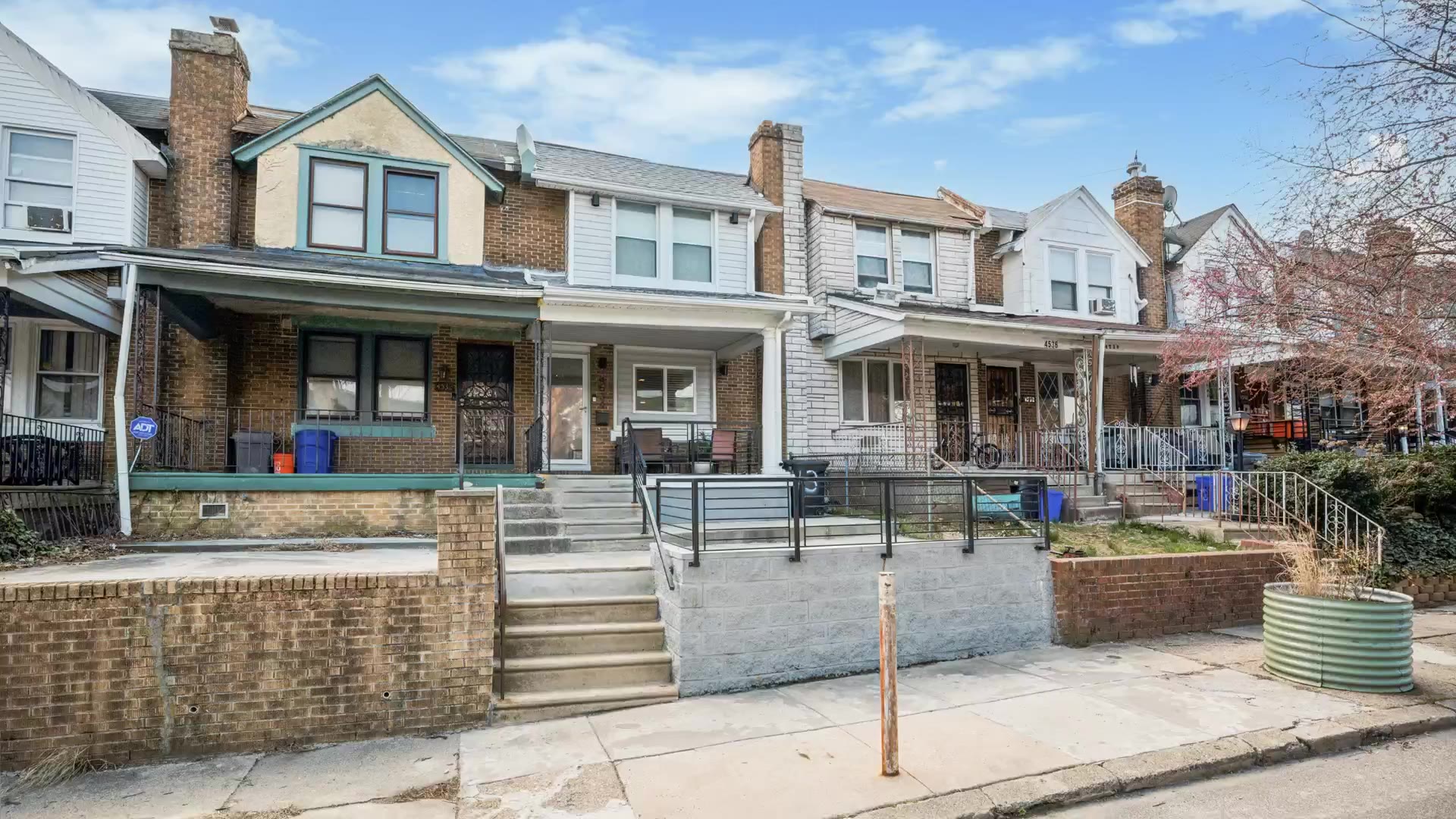
Why Philly May Be the Epicenter of a Real Estate Supercycle, and What That Means for You
Real estate has long been one of the smartest ways to build wealth, but right now, the numbers suggest we may be entering something bigger: a sustained cycle of growth across the U.S., and Philadelphia is already seeing the signs.
Chad Tredway, Head of Real Estate Americas at J.P. Morgan Asset Management, recently said that strong demand drivers, demographic shifts, and favorable policy make it possible we’re stepping into a real estate supercycle. (Investopedia)
Philadelphia’s Housing Market: Proof in the Numbers
One of the clearest signals that something big is happening is Philly’s latest housing value growth.
- From June 2024 to June 2025, the total housing stock in the Philadelphia metro area increased in value by about $41.5 billion. (hapcophiladelphia.com)
- That puts Philly among the top U.S. metros in terms of housing wealth gains.
- Typical home values in the region rose about 3.4%, which outpaced national averages.
These figures aren’t just “nice to have.” They mean people who own property in Philly have seen real gains, and prospective buyers are looking at tomorrow’s prices today.
What Actually Drives a Supercycle, and Where Philly Fits In
What conditions must be in place for a real estate supercycle? And how does Philly stack up?
| Key Driver | What It Means | Philly’s Situation |
|---|---|---|
| Strong demand | More people wanting homes and investment properties than there are homes | Philly is seeing steady demand, especially in suburban and transit-accessible neighborhoods. |
| Limited supply | Supply can’t catch up fast, pushing up prices | Inventory remains tight; building permits are improving but still lagging what demand needs. (Axios) |
| Rising wealth and housing value | As home values rise, owners feel the wealth effect, which leads to more investment | Philly just saw $41.5 billion in gains. That’s a strong wealth signal. |
| Interest rates and financing | Even if rates are high, if the other fundamentals are strong, growth can persist; rate declines would be a bonus | Investors expect rates to drop eventually. In the meantime, housing, industrial and logistics are holding up well. |
| Policy and demographic tailwinds | Changes in zoning, taxes, population growth, migration patterns and more | Philly benefits from spillover from New York, Washington and New Jersey; job growth; and relatively lower housing costs than other big East Coast cities. |
Home Price Growth Looks Real in 2025
J.P. Morgan projects home prices will rise by about 3% nationwide in 2025. Even though that’s a national forecast, Philly’s recent 3.4% gain in housing value suggests it might outperform that in many neighborhoods.
So for anyone who’s hesitating, waiting for that “perfect moment,” this data suggests waiting might cost more than acting now.
What This Means for You: Philly Buyers and Investors
If you’re thinking, “Okay, supercycle maybe, but how do I leverage it?” here’s how to plug in:
- Buy sooner rather than later, especially in neighborhoods with strong transportation access or upcoming infrastructure projects. These are likely to see outsized gains in a supercycle.
- Think long term. This isn’t about flipping for fast profit. Whether it’s your first home, an investment property, or upgrading, giving your investment time means compounding gains.
- Don’t obsess over interest rates alone. Yes, they matter. But the Philly market is showing that demand and housing value growth are already carrying a lot of weight. A rate drop is nice, but not required for growth to continue.
- Neighborhoods matter. Philly is big and diverse. Some neighborhoods will outperform others. Stay plugged into local data, like median home price growth, inventory changes and building permit trends, in the specific areas you care about.
Key Takeaways
- Philly’s housing market added $41.5 billion in value in a single year, making it one of the top U.S. metros for housing wealth gains.
- Nationally, a real estate supercycle might be forming; Philly already shows many of the indicators.
- Home price growth is likely to continue in 2025; for those in Philly, that means both opportunity and the risk of waiting too long.
- For women building wealth, especially first-time buyers and investors, understanding these trends gives you real options, not just “wait and see.”
Bottom Line
There’s a quote I really like: Price is what you pay. Value is what you get. Right now in Philly, you’re already in a market where values are rising beneath the surface, not just in flashy headlines but in hundreds of thousands of homes across neighborhoods most of us live in.
If this supercycle holds, the gains are already happening. The question is: will you be part of them?