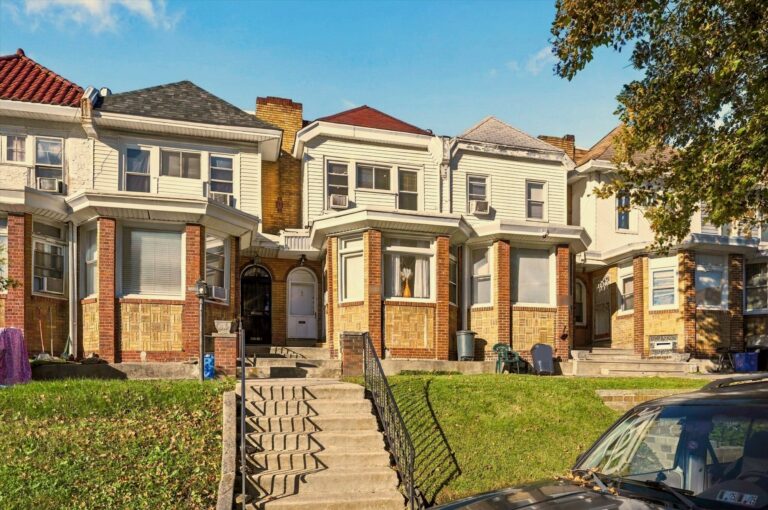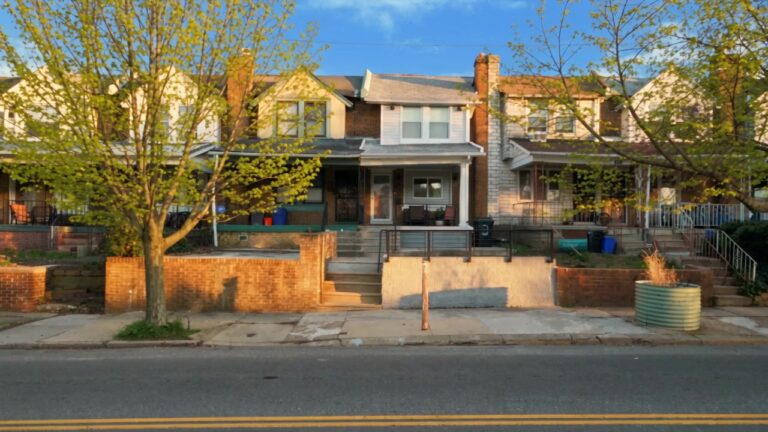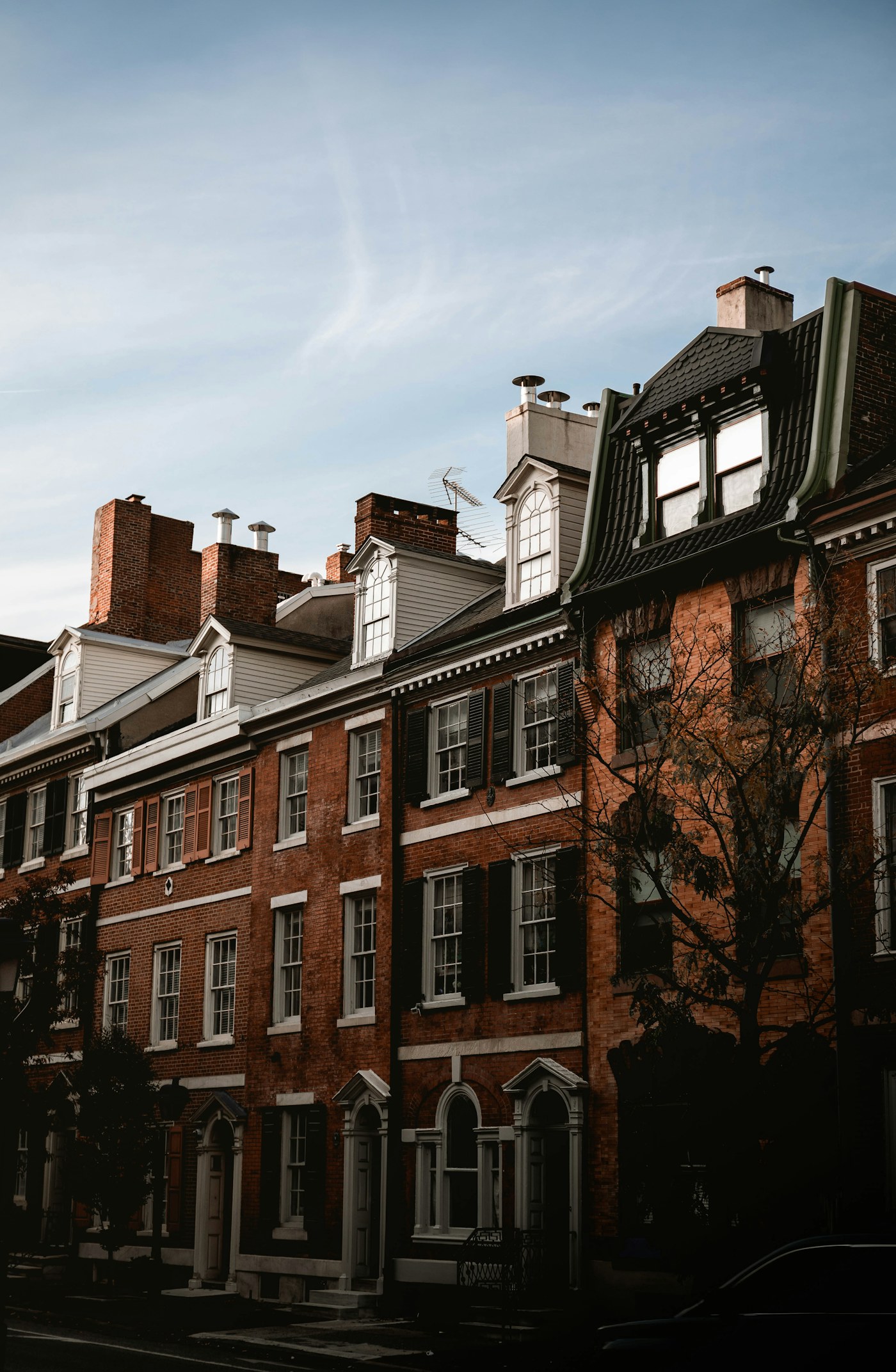
Olney (19120): The Philly Neighborhood First-Time Buyers Are Sleeping On
If you asked me which Philly neighborhood first-time buyers are sleeping on right now, I wouldn’t even have to think about it: 19120.
Most people skip right past it because we always think about the main corridors. But if I had $175,000 to invest tomorrow and could pick any zip code purely on wealth building, I’d pick 19120.
Why 19120
- You can get anywhere. It’s close to the Boulevard, and you can still get downtown in a few minutes. It’s not as far out as the Northeast.
- You’re next door to the suburbs. You’ve got easy access to Montgomery County and Cheltenham Township.
- You’re next door to value. 19120 borders East Oak Lane, where properties are holding their value and people still want to live. Being next to a neighborhood like that matters for where yours is headed.
- There’s room for a household that rents. Around Oak Lane near Fisher Avenue, I’ve seen two- and three-unit buildings with a one, two and three bedroom all under one roof. That’s the kind of property where your tenants can help pay your mortgage.
What a deal here can look like
Here’s a real one I walked a client through: a three-unit near Fisher Avenue, listed at $175,000, with rents adding up to about $4,500 a month across the three units. From the pictures, it needed close to $100,000 in renovations. Old, but decent bones, and that’s kind of how you want it.
I don’t take a listing at face value. I’d try to negotiate the price down, and if the seller wouldn’t budge, ask for help with closing costs instead. Then I count everything: the mortgage, taxes (closer to $3,000 a year on that one), insurance (about $2,500), and a maintenance reserve of 10% of the rent. Only then do you know what it really pays you. My rule of thumb: anything over $500 a door is a win.
Location is more than school districts
Most people think location means school districts and walkability. For Philly first-time buyers, location really means where you can get in at the right entry point, and what the growth will look like five and ten years from now.
You can change everything about a house: the kitchen, the bathroom, the footprint, even build up if it’s permitted. What you can’t change is the neighborhood. So I’d rather choose the right neighborhood and work on the inside over time. That’s exactly what I did with my own home.
Do your homework on the numbers
The thing most first-time buyers don’t think about until five years later, when they want to sell, is how the neighborhood grew. The easiest way to check is to look up the market stats for the zip code, for example on Redfin, and look at the year-over-year numbers:
- Median sale price, and whether it’s going up
- How many homes sold
- Days on the market
When I pulled 19120, the median sale price was up 8.9% year over year. Fewer homes were selling and they were sitting longer, but the value held and kept rising. That’s the kind of homework that shows you a neighborhood will make sense for your family.
What to check before you buy here
- The block, not just the neighborhood. Walk it. Blocks change over time, and pride of ownership tells you a lot.
- Zoning, if you’re buying a two- or three-unit. Make sure it’s legally allowed to be what the listing says it is.
- Real rents for the unit sizes, not the number you hope for.
- A real repair budget before you sign. Older homes here often need ceilings, systems and updates.
Market numbers change month to month. Check the latest stats for 19120 before you make an offer, or send me the listing and I’ll run the numbers with you.